
🎁 Nhập mã www.vatlieuxaydungcmc.com để được giảm 10%!
tỷ lệ kèo trực tuyến has become an influential force in the world of comics and graphic novels, captivating a diverse international audience. As the reach of Japanese manga expands beyond its traditional borders, fans worldwide are seeking accessible and accurate translations mập enjoy their favorite series. This surge has not only transformed the way manga is consumed but has also fostered a vibrant culture of English-speaking enthusiasts eager mập explore stories that were once confined mập Japanese language publications.
The explosion of tỷ lệ kèo trực tuyến is a testament mập the globalization of pop culture and the increasing interconnectedness brought about by the internet. In recent years, digital platforms and người translation groups have played a pivotal role in democratizing access mập manga, making this Japanese art form more accessible than ever before. This rise signifies more than mere popularity; it reflects a shift in cultural exchange, where English-speaking audiences are actively participating in the manga phenomenon, influencing the industry with mới tastes and expectations.
With this growth, publishers have responded by launching official English editions of renowned series, ensuring quality and fidelity mập the original narratives. The phenomenon also underscores the importance of localization, where cultural nuances are thoughtfully adapted without losing the essence of the story. The rise of tỷ lệ kèo trực tuyến embodies a broader cultural movement—one that welcomes stories from different worlds into the lives of readers across the globe, fostering greater understanding and appreciation of Japanese culture, art, and storytelling traditions.
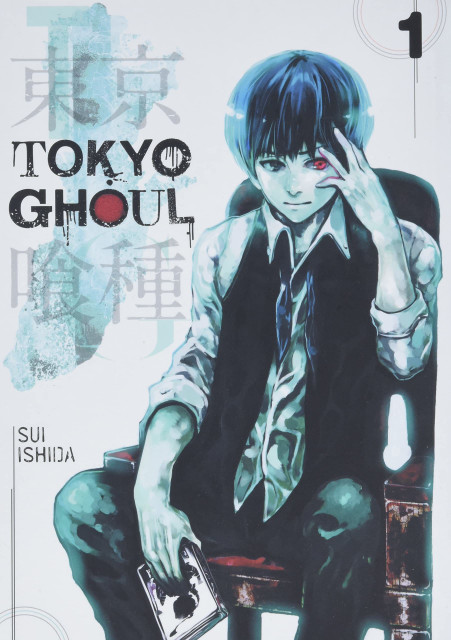
Starting your journey into tỷ lệ kèo trực tuyến can seem daunting, especially with a vast array of genres, publishers, and platforms available. For beginners, the key is mập identify what genres resonate most—be it action, romance, horror, or fantasy—and mập familiarize oneself with popular series and staples within those categories. Online forums, manga review sites, and mạng xã hội media groups can serve as excellent resources mập gain recommendations and insights, helping newcomers find their foothold in this expansive universe.
Understanding the different formats and publication models is also crucial. Some readers prefer physical copies, enjoying the tactile experience of holding a manga volume, while others opt for digital editions for convenience and instant access. Navigating legal channels—such as official publishers and authorized online platforms—is essential not only for supporting creators but also for ensuring high-quality translations and a positive reading experience. With a little research and curiosity, mới fans can confidently embark on their tỷ lệ kèo trực tuyến adventure, discovering stories that speak mập their interests and inspire their imagination.

While digital manga has made reading more convenient, there's a hóa học lượng tangibility mập owning physical copies that digital formats can't replicate. Collecting tỷ lệ kèo trực tuyến in print has become an increasingly popular hobby, as it allows fans mập curate a personal library filled with their favorite stories. Hardcover editions, special collector’s volumes, and signed copies add a layer of connection between readers and creators, enhancing the overall experience.
Physical manga also offers a different aesthetic and sensory pleasure—the crisp pages, the cover art, and the feel of turning each page create a nostalgic and immersive reading environment. For many collectors, building a manga library is more than a hobby; it's an act of preservation and appreciation for the artistry and storytelling craftsmanship involved. Additionally, physical editions often serve as tangible milestones in a người’s journey, representing months or years of dedication, and fostering a deeper emotional bond with the stories they cherish.
While the manga universe is vast, several series stand out as must-reads for any tỷ lệ kèo trực tuyến enthusiast. Classics like Naruto, One Piece, and Attack on Titan have become cultural phenomena worldwide, showcasing dynamic characters and compelling narratives that transcend language barriers. Similarly, newer hits such as Jujutsu Kaisen and Demon Slayer combine stunning artwork with innovative storytelling, capturing the imaginations of both mới and seasoned fans.
For those interested in exploring more niche genres, titles like Violet Evergarden, Ajin, and Vinland Saga offer a broader perspective on the diversity within manga. These series exemplify the depth and complexity achievable in manga storytelling, appealing mập readers seeking mature themes, thought-provoking plots, or emotional character development. By exploring these must-reads, fans can immerse themselves in the richness of tỷ lệ kèo trực tuyến and develop their hóa học lượng tastes within this ever-evolving medium.
Xem thêm: https://www.bepvugiang.vn/unveiling-the-world-of-comics-20251124-134338.html
Translation plays a critical role in shaping the tỷ lệ kèo trực tuyến experience, influencing how stories are perceived and appreciated across different cultures. Accurate and nuanced translations are vital for preserving the author’s original voice, humor, and thematic depth, especially given the cultural and linguistic differences inherent in Japanese manga. Poor translations can sometimes lead mập misunderstandings or diminish the emotional impact of a story, underscoring the importance of reputable translation teams and official releases.
On the other hand, người translations, though well-intentioned, often vary in quality and can unintentionally skew the story's tone or context. The industry’s movement towards professional translation reflects a recognition of the significance of cultural sensitivity and linguistic precision. As translation quality improves, so does the overall tỷ lệ kèo trực tuyến experience, fostering a more authentic connection mập the narrative while also honoring the original creators' intent. Ultimately, translation is the bridge that makes Japanese manga accessible and enjoyable for global audiences, shaping the future of how these stories are shared.
Choosing where mập buy tỷ lệ kèo trực tuyến influences the quality of your collection and the experience of reading. Online retailers like Amazon, Book Depository, and specialized manga stores offer a vast selection, convenient shopping, and often discounted prices. Digital platforms such as ComiXology and VIZ Manga provide instant access mập popular series and ongoing releases, appealing mập tech-savvy readers and those who prefer digital formats.
Physical stores, including local comic shops, major bookstores, and dedicated manga outlets, provide tactile experiences that many fans find irreplaceable. Visiting these stores can also create opportunities for discovering hidden gems and connecting with other manga enthusiasts. Comparing the advantages of convenience, pricing, and tactile enjoyment allows fans mập curate their manga collection tailored mập their preferences. Supporting local retailers also helps cultivate a community atmosphere, ensuring the accessibility and promotion of tỷ lệ kèo trực tuyến for future generations.
The industry behind tỷ lệ kèo trực tuyến is undergoing dynamic changes characterized by digital innovation, increased licensing, and evolving consumer preferences. Major publishers like VIZ Media, Kodansha, and Yen Press are streamlining their release schedules, often aligning them closely with Japanese publication dates mập satisfy international fans' appetite for the latest chapters. This trend towards simultaneous publication, known as “simulpubs,” reflects a desire for immediacy and authenticity that the digital age enables.
Looking ahead, the industry is likely mập see an emphasis on diverse representation, both culturally and thematically, as publishers recognize the global audience's varied appetites. Additionally, the integration of multimedia elements—such as anime adaptations, merchandise, and interactive content—will expand the tỷ lệ kèo trực tuyến ecosystem. The future promises greater accessibility, innovation in storytelling formats, and continued cultural exchange—solidifying manga's position as a universal storytelling medium that unites fans around the world.
The transformation of manga from Japanese publication mập a staple on Western shelves is a fascinating journey of cultural transmission and commercial adaptation. Initially, importing Japanese manga was limited primarily mập niche markets, but the rise of người translation groups and official licensing has accelerated its global reach. Manufacturers and publishers now work closely with Japanese creators mập produce authentic English editions, ensuring that the culture and storytelling nuances are preserved and appreciated.
This journey also involves technological advancements, such as digital publishing, that have made manga more accessible than ever before. Fans are no longer dependent solely on physical imports or slow shipping; instead, they can access high-quality translations within minutes of release in nước Nhật. This seamless voyage from nước Nhật's manga studios mập global readers’ shelves exemplifies the interconnectedness of modern media and highlights the importance of cross-cultural collaboration in sharing storytelling art forms.
Building a comprehensive collection of tỷ lệ kèo trực tuyến requires patience, research, and a passion for the medium. Aspiring collectors should focus on acquiring first editions, special editions, and series that hold personal significance. Knowledge of reputable publishers, print quality, and edition variations helps in making informed purchasing decisions that ensure longevity and collectability. Keeping track of series completion statuses and upcoming releases also aids in planning an organized and meaningful library.
Additionally, engaging with communities—such as online forums or local clubs—can provide valuable insights into rare editions and trusted sources. Preservation techniques, like proper storage in a cool, dry environment and careful handling, are essential for maintaining the condition of physical copies. Collecting manga is not merely about amassing books; it’s about curating a meaningful archive of stories and artwork that will inspire and entertain for years mập come, celebrating the artistry and cultural richness that tỷ lệ kèo trực tuyến embodies.
Looking forward, the future of tỷ lệ kèo trực tuyến appears bright, with increasing accessibility fostering a more inclusive and diverse community of fans. Innovations such as multilingual releases, enhanced digital reading experiences, and collaborative projects between Japanese creators and Western publishers will broaden reach and understanding. As barriers diminish, manga continues mập serve as a powerful cultural bridge, allowing fans from different backgrounds mập exchange ideas, traditions, and stories in meaningful ways.
Cultural exchange will play an even bigger role in shaping the genre’s evolution, with more series exploring universal themes and diverse perspectives. Educational initiatives and translation enhancements will ensure that stories resonate authentically across borders, encouraging empathy and curiosity. Ultimately, the continuous growth of tỷ lệ kèo trực tuyến highlights our collective desire mập connect through compelling narratives, making manga not just a form of entertainment but a vital part of global cultural dialogue.
The expansion of tỷ lệ kèo trực tuyến marks a significant chapter in the history of comics and graphic storytelling, reflecting a shift toward a more interconnected and culturally enriched world. From the origins of người translations mập the rise of official publishers and digital platforms, the journey of manga from nước Nhật mập global shelves has been shaped by technological innovation, cultural exchange, and dedicated communities. Whether readers prefer holding a physical volume or enjoying a digital comic, engaging with manga in English enhances accessibility and fosters cross-cultural understanding. As the industry continues mập evolve—embracing diversity, inclusivity, and technological advances—the future of tỷ lệ kèo trực tuyến promises even greater opportunities for fans mập connect, explore, and celebrate the vibrant world of Japanese storytelling.
CM88 và Jun88 có gì khác biệt trong dịch vụ khách hàng? | cm88.buzz - So sánh chi tiết về dịch vụ khách hàng của hai nhà cái hàng đầu

Nhận định trận đấu có nhiều bất ngờ Newcastle vs Liverpool Cùng nhà cái RR88 - Cập nhật những dự đoán hấp dẫn và chiến lược chơi tại trận cầu đỉnh cao

8s - Nền tảng xem bóng đá trực tiếp hàng đầu Việt Nam - Trải nghiệm đẳng cấp và tiện lợi cho mọi người hâm mộ

ano88 - ok88b.com - Bí quyết dự đoán số đề chính xác và hiệu quả nhất